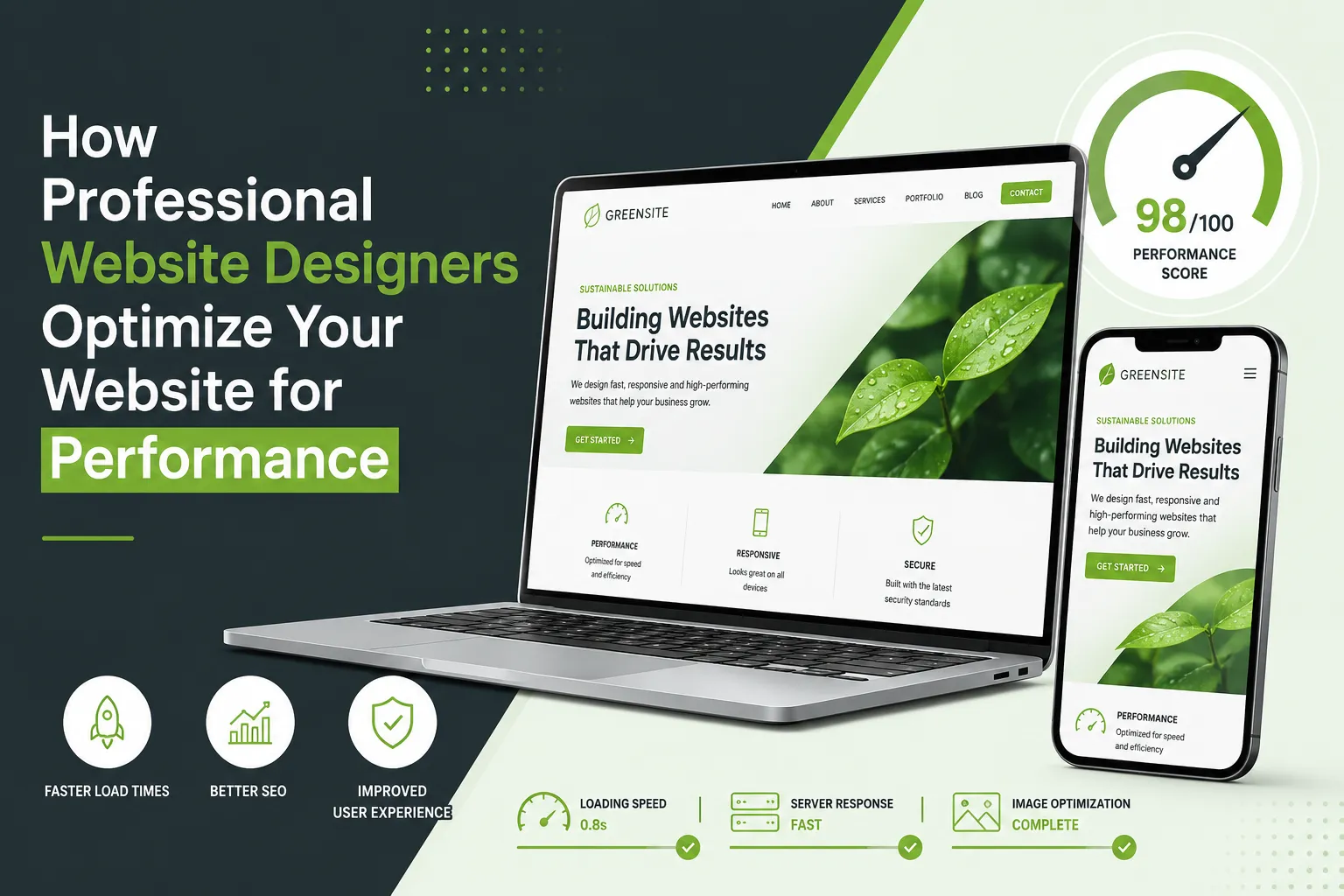
Right, let’s get straight into it. If your website takes longer than three seconds to load, you’ve probably already lost half your visitors before they even see what your business does. That’s just the reality of running a business online in 2026. A skilled website designer isn’t just someone who picks nice colours and fonts anymore. They’re the person deciding whether your site actually works, loads fast, and gets found on Google in the first place. Here’s the part that catches a lot of UK business owners off guard. Over 65% of all website traffic now comes from mobile phones. If your site was built a few years ago and never updated for mobile, you’re basically asking customers to squint, pinch, zoom, and eventually give up. We see this constantly with new clients who come to us after their old site quietly stopped pulling in enquiries. In this guide, we’ll walk through exactly what a good website designer does behind the scenes to make your site fast, secure, and ready for how people actually browse in 2026, plus a couple of real examples from UK businesses we’ve worked with recently.
What does a website designer actually do for your site’s performance?
A website designer in 2026 builds the technical backbone of your site, covering everything from page speed to mobile layout to how search engines read your content. This goes way beyond appearance. Solid web designer work involves compressing images properly, writing clean code, picking fast hosting, and structuring pages so Google can crawl them without any hiccups. When we build a site, we’re thinking about load times on a budget Android phone with patchy 4G just as much as how it looks on a laptop screen. A lot of cheap website builders skip this entirely. They focus on templates and drag and drop tools, but underneath, the code is bloated and slow. That’s why so many small business sites score badly on speed tests even though they look perfectly fine to the human eye. This is also where website design services differ massively from one provider to the next. Some agencies hand you a template and walk away. Others, including us, bake speed optimisation and search engine friendly structure into every single build from day one, whether you’re getting a one page site or a full multi page setup.
How important is SSL for your website’s ranking and trust in 2026?
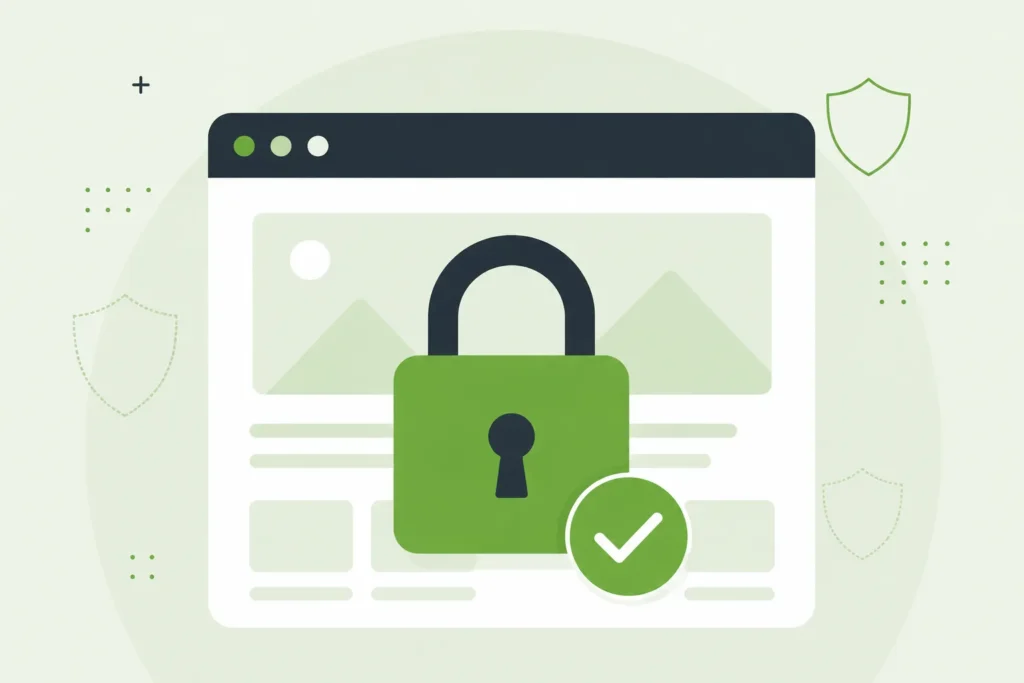
SSL is no longer optional, it’s the bare minimum, because Google flags unsecured sites and most visitors will leave the second they spot a warning. If you’ve ever clicked a link and got a big red “not secure” message in your browser, you’ll know exactly why this matters. SSL certificates encrypt the connection between your visitor’s browser and your server, which protects things like contact form details, payment information, and login credentials. Every plan we offer, from a simple one page site through to a larger multi page build, comes with a free SSL certificate included as standard. Beyond trust, Google has confirmed for years that HTTPS is one of the signals it looks at for ranking. On its own it’s a small thing, but combined with speed, mobile friendliness, and clean content, it all adds up. Think of it as one of those boxes you need to tick before anything else really matters.
What is WebGPU and why should your website designer care about it?
WebGPU is the newer browser standard that lets websites handle graphics, animations, and visual effects far more efficiently, which means smoother pages and faster load times across devices. A few years back, heavy animations or interactive elements could slow a site right down, especially on older phones. WebGPU changes that by letting the browser tap into the device’s graphics hardware properly, instead of dumping all the work onto the processor. For most small business sites, this means things like product galleries, interactive maps, or animated charts run smoothly without dragging your speed score into the red. You don’t need to understand the technical side of any of this, and honestly neither do most of our clients. What matters is that your website designer keeps up with modern browser standards so your site stays fast as devices and browsers keep changing. This is part of why ongoing support matters too, and it’s something we cover as part of our pay monthly website design option, so your site keeps up rather than slowly falling behind.
How does generative UI change the way websites are designed?
Generative UI means parts of a website can adjust their content, layout, or recommendations automatically based on who’s viewing it, creating a more personal experience without extra manual work. This is becoming common on online stores especially. A returning visitor might see product suggestions based on what they looked at last time, while a first time visitor gets a simpler, more guided layout pointing them towards your best sellers. Behind the scenes it’s all driven by data and smart design choices, nothing mysterious about it. For small businesses, you don’t need anything overly complicated to benefit from this. Even simple touches, like showing relevant offers based on location or rearranging menus depending on screen size, fall under this idea. If you’re selling products online, our ecommerce web design packages are built with this kind of flexibility from the start, so the site can grow with you rather than needing a rebuild every time you add new products.
What does UX optimization actually involve for a small business website?
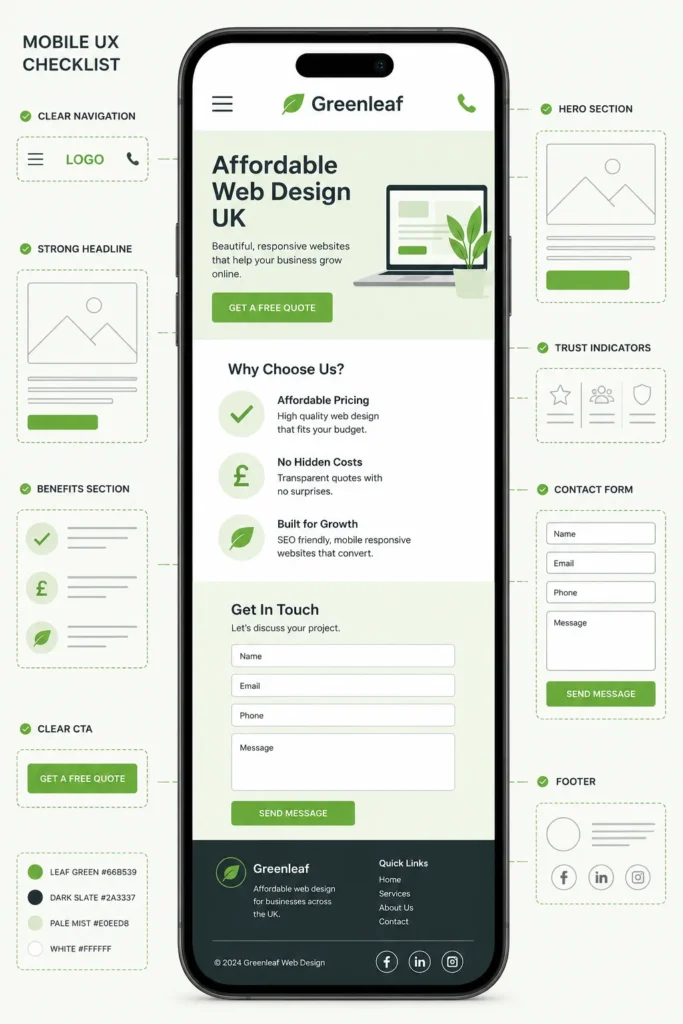
UX optimization means making sure every visitor can find what they need, understand what to do next, and complete an action like buying, booking, or enquiring, without confusion or extra clicks. In practice this covers button placement, font sizes that are readable on a small screen, forms that don’t ask for ten fields when three would do, and navigation menus that make sense to someone who’s never seen your site before. We test every build on actual phones, not just a desktop browser resized smaller, because that’s how most real visitors will experience it. A website designer focused on UX also thinks about loading order. Your headline and main image should appear almost instantly, even if other bits load a second or two later. That gap between a visitor sticking around and one who bounces straight back to Google often comes down to details this small. If you’re running a WordPress site, this matters even more, because plugins and themes can easily slow things down if nobody’s keeping an eye on them. Our WordPress website design service is built around keeping things lean, so you get the flexibility of WordPress without the bloat that usually comes with it.
How do website design prices compare across the UK market?
Most UK agencies charge based on the number of pages and how custom the build needs to be, and prices vary a lot depending on what’s actually included. Below is a rough comparison based on what we typically see across the market for similar scopes of work, alongside our own current pricing.
Project type Typical UK agency price Our price What you get with us
Single landing page £300 to £800 £69 Fully responsive, custom design, SSL, hosting, SEO friendly setup
Small business site (up to 5 pages) £800 to £2,000 £179 Bespoke design, 3 contact forms, SEO friendly (2x), 12 months hosting
Larger business site (up to 20 pages) £2,500 to £6,000+ £239 (reduced from £339) Bespoke design, 5 contact forms, SEO friendly (4x), full year of hosting and maintenance
You can see the full breakdown, along with what’s included in each tier, on our pricing page.
What features should you expect from a decent website design package?
A decent website design package should include responsive design, SSL, hosting, SEO basics, and some form of ongoing support, regardless of which size plan you go for. Here’s how the core features break down across the three plans we offer, just so you can see what’s realistic at each price point.
Feature Starter (£69) Small Business (£179) Elite (£239)
Pages included 1 landing page Up to 5 pages Up to 20 pages
Email addresses 3 Up to 10 Unlimited
Responsive design Yes Yes Yes
Free SSL certificate Yes Yes Yes
Contact forms 1 3 5
Hosting 12 months free 12 months free 12 months free
SEO friendly setup Standard 2x 4x
Speed optimisation Standard 2x 4x
Maintenance 12 months 12 months 12 months
On page SEO Included Included Included
WhatsApp floating button Included Included Included
Logo design Free if needed Free if needed Free if needed
If your business needs more than 20 pages, a custom quote usually makes more sense, but for the vast majority of small UK businesses, one of these three covers everything.
Case Study: A Local Gardener in Surrey
A self employed gardener in Surrey came to us with a site built years ago on an old builder platform. It looked outdated, took nearly six seconds to load on mobile, and had no SSL certificate at all, so it was showing security warnings to anyone who clicked through from Google. We rebuilt the site using our Starter plan, since he only needed one strong landing page covering his services, areas covered, and a simple enquiry form. We added a free SSL certificate, compressed all his project photos properly, and set up a WhatsApp floating button so customers could message him directly. Within a few weeks, his page load time dropped to under two seconds on mobile, and he started getting enquiries through the contact form for the first time in months. Nothing flashy, just a faster, cleaner site that actually worked the way it should.
Case Study: A UK Skincare Startup Going Online
A small skincare brand based in Manchester was launching their first online store and needed something that looked professional without a huge budget. They had around eight product lines to start, with plans to expand. We used our Elite plan for this one, since they needed multiple pages covering products, about, shipping policy, and contact, plus room to grow. The build focused on ecommerce specific UX, things like clear product categories, simple checkout flow, and mobile first product pages, since most of their target audience shops on Instagram and clicks straight through on their phones. Three months after launch, they reported a noticeable jump in mobile conversions compared to a quick test store they’d previously set up on a generic platform. The bespoke design and speed optimisation made checkout feel quicker and less clunky, which for an online store is often the difference between a sale and an abandoned basket.
Frequently Asked Questions
How much does a website designer cost in the UK?
Prices typically range from around £69 for a single landing page to £2,000 or more for larger custom builds from bigger agencies. Our plans sit between £69 and £239, covering everything from a one page site to a 20 page build with hosting, SSL, and a year of maintenance included.
How long does it take to design a website?
A landing page can often be built within a week, while a 5 to 20 page site usually takes a couple of weeks depending on how much content needs writing and how many revisions are needed. Timelines can shift if you’re still finalising your branding or copy.
Can I switch from Wix or Squarespace to a custom built site?
Yes, and it’s something we do regularly. Most of the content, images, and text from your old site can be transferred across, and a custom build usually ends up faster and more SEO friendly than a generic builder platform.
What makes a website rank higher on Google in 2026?
Speed, mobile friendliness, SSL, clear page structure, and genuinely useful content all play a part, alongside good internal linking between related pages. If SEO is a priority for your business, it’s worth looking at affordable SEO services alongside your website build rather than treating them as separate things.
Do you offer support after the website is built?
Yes, every plan includes 12 months of maintenance, and we also offer ongoing WordPress maintenance for businesses that want regular updates, backups, and security checks after that first year.
Final Thoughts
A fast, secure, mobile friendly website isn’t a nice extra anymore, it’s pretty much the baseline for getting found and trusted online in 2026. From SSL and speed to UX and the newer standards like WebGPU and generative UI, all of it feeds into whether someone stays on your site or clicks back to Google within seconds. If your current site is feeling slow, outdated, or just isn’t bringing in enquiries the way it used to, it might be worth a fresh look. You can browse examples of recent builds on our portfolio page, or if you’re ready to talk through what your business needs, head over to our get started page and we’ll take it from there. Working with a website designer who actually understands performance from the ground up can make a real difference to how your business shows up online.